Designing for understanding before words are needed.
Sometimes the most meaningful changes don't come from solving a problem.
They come from preventing one.
As a parent of an autistic son approaching driving age, I found myself thinking about an experience many families quietly carry with them.
Not the traffic stop itself.
The moments before it….The flashing lights…..The uncertainty.
The pressure to communicate quickly while processing anxiety, sensory overload, or unexpected change.
For many autistic individuals, communication becomes more difficult under stress—not because they are unwilling to cooperate, but because the situation itself changes how they are able to respond.
As a parent, I also understood something that isn't discussed often.
The emotional weight of continually having to explain.
To introduce your child through a diagnosis before anyone has the opportunity to simply meet them as a person.
Those conversations matter, but they are exhausting.
I began asking a different question.
What if understanding could begin before explanation was required?
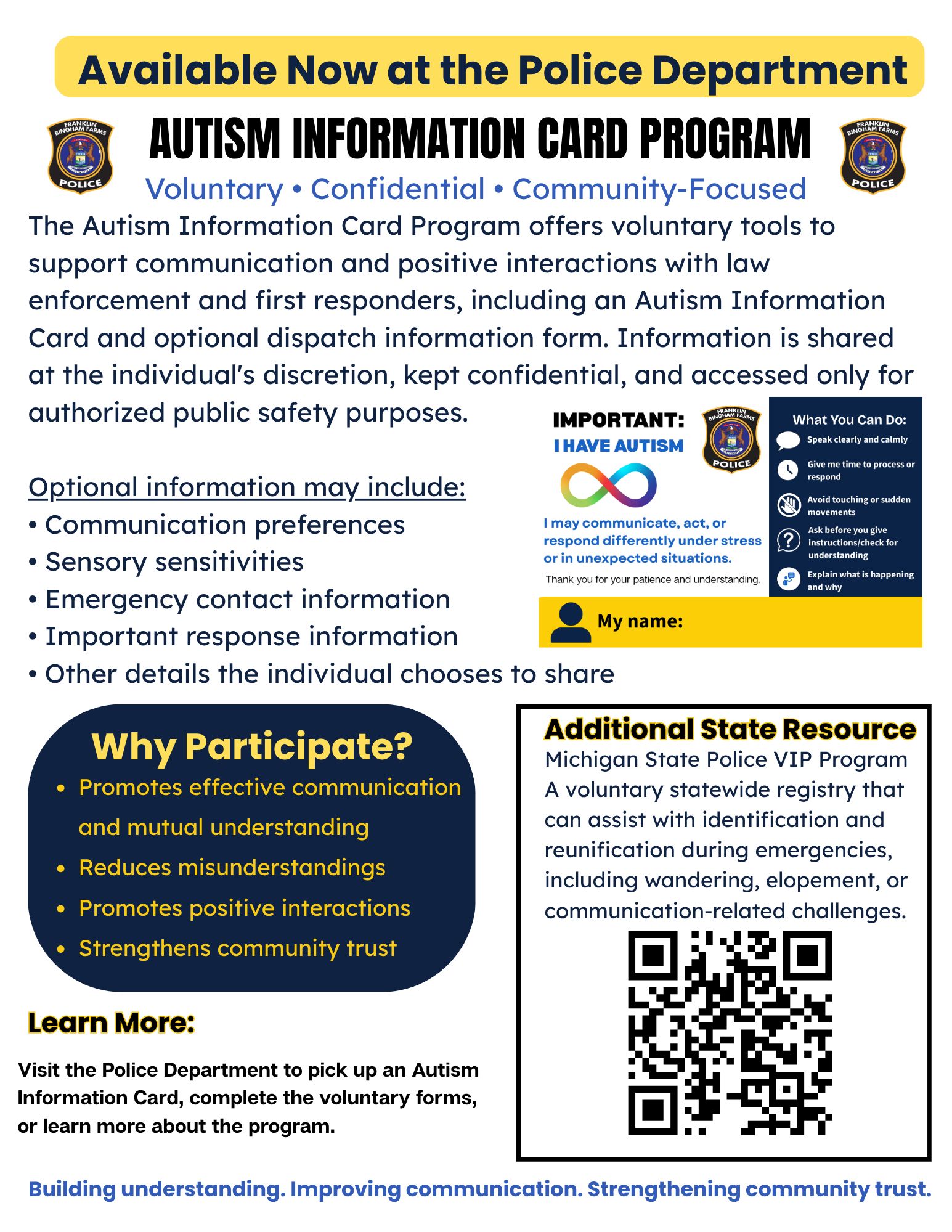
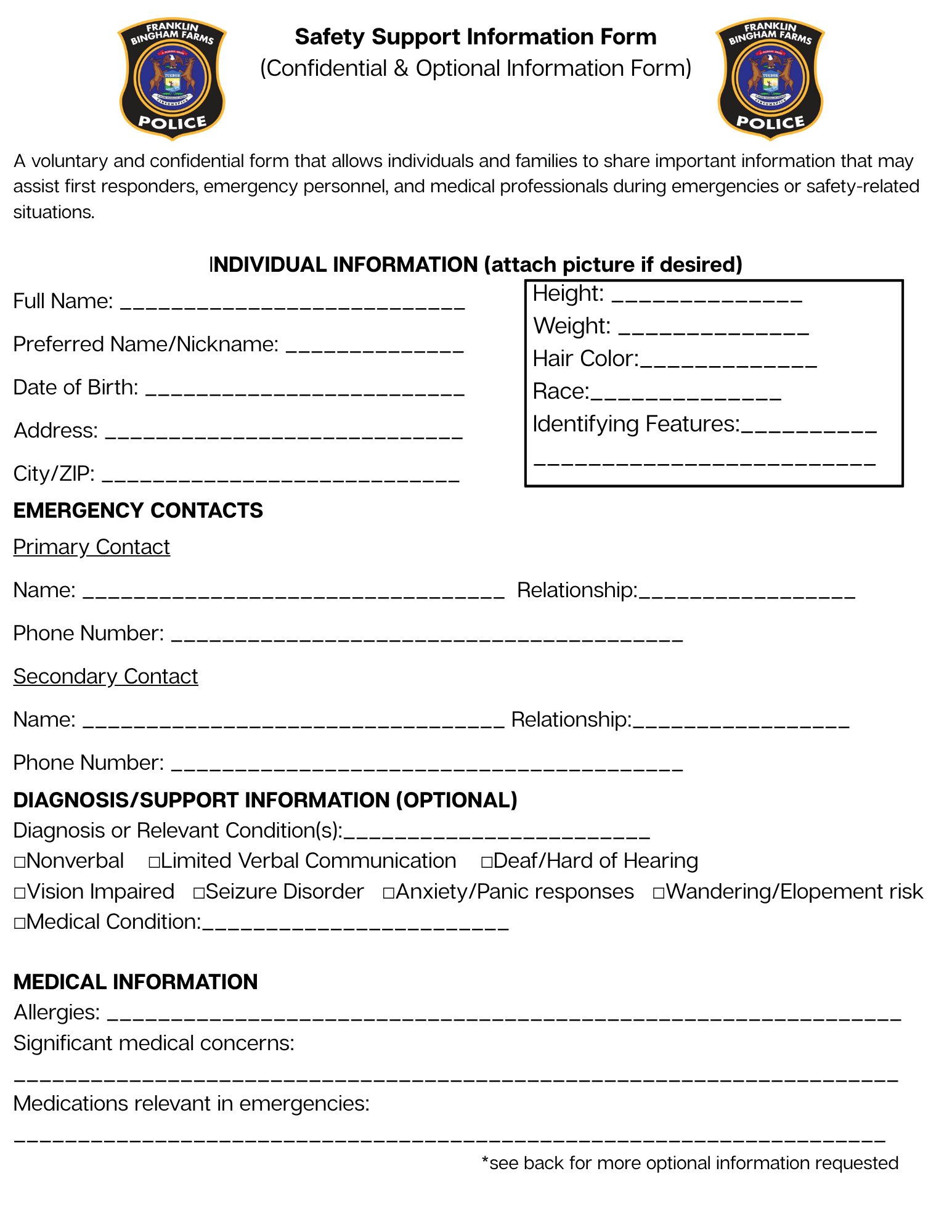
Autism Emergency Response Support Initiative
Applying the VOICE Framework™
Value Lived Experience: This initiative began by listening—not only to autistic individuals and their families, but also to self-advocates, first responders, clinicians, and community leaders.
Each perspective revealed a different piece of the experience. Only together did
the full picture emerge.
Observe the System: Rather than asking what information officers needed, we explored something more fundamental:
What does the first thirty seconds of a traffic stop feel like for everyone involved?
By examining the interaction through both perspectives, we discovered
opportunities to reduce uncertainty before it became a crisis.
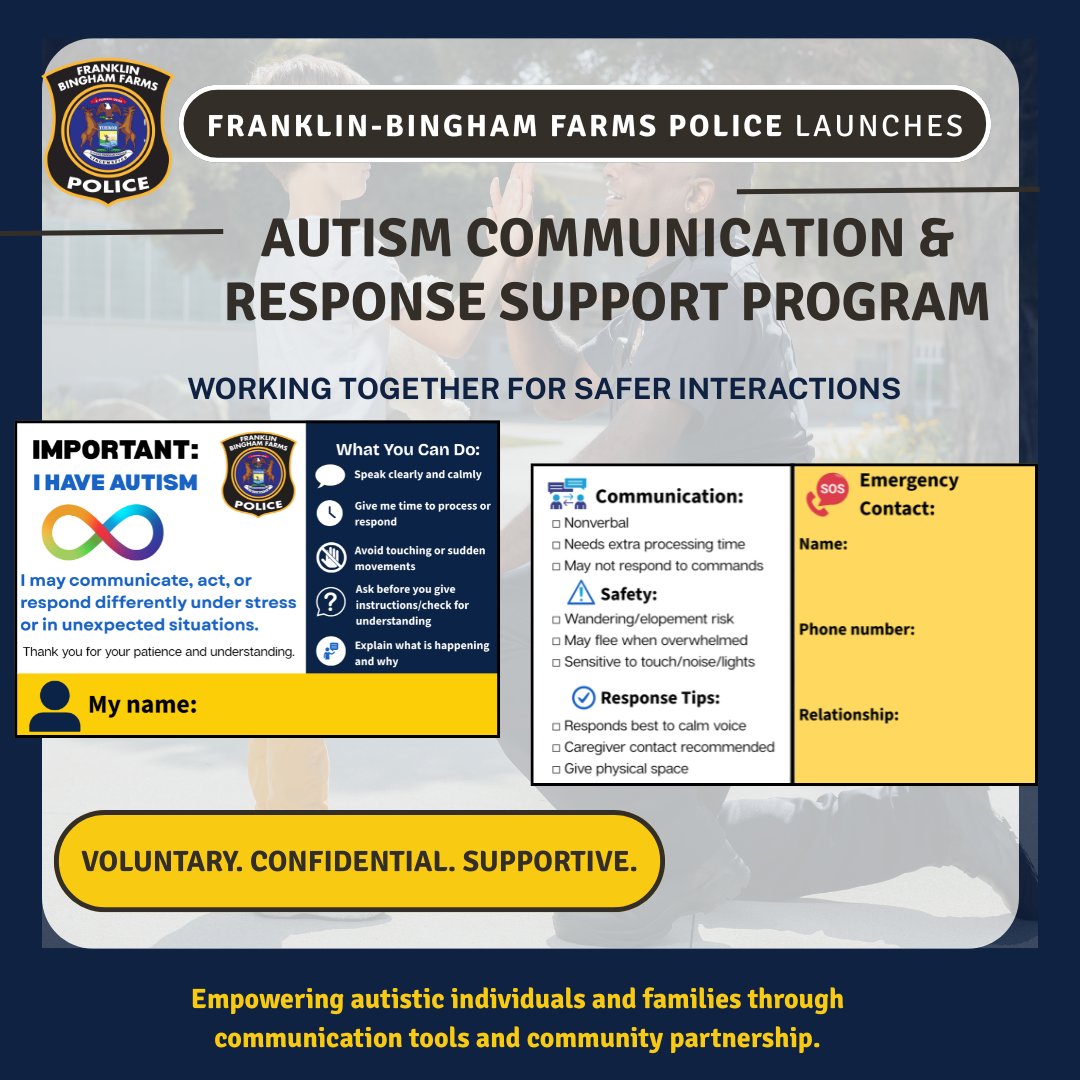
Illuminate Opportunities:The solution wasn't simply an autism communication card or the feedback information form. It was the pause the card created.
A moment where an officer could recognize that delayed responses, avoiding eye
contact, or difficulty communicating might reflect anxiety or sensory overload—not
defiance.
That moment invited understanding before assumptions.
Connect Purpose to Action: Working alongside self-advocates, a co-responder with both professional expertise and lived experience as the parent of an autistic daughter, and local law enforcement leadership, we designed a voluntary, consent-based program centered on dignity and personal choice.
The goal wasn't to identify someone. It was to preserve their agency while making
space for empathy.
Empower Sustainable Change: Its greatest impact is measured in the possibility that one interaction—one pause—could strengthen trust instead of breaking it
The initiative has since been featured in local news, newspapers, and community
conversations because communities become stronger when systems create space
for people to feel understood before they have to fight to explain themselves.
Through community engagement, we’re starting even more conversations and
inspiring possibilities in what else can be thought of with proactive sensibilities,
caring individuals, and thoughtful actions.